ca inter

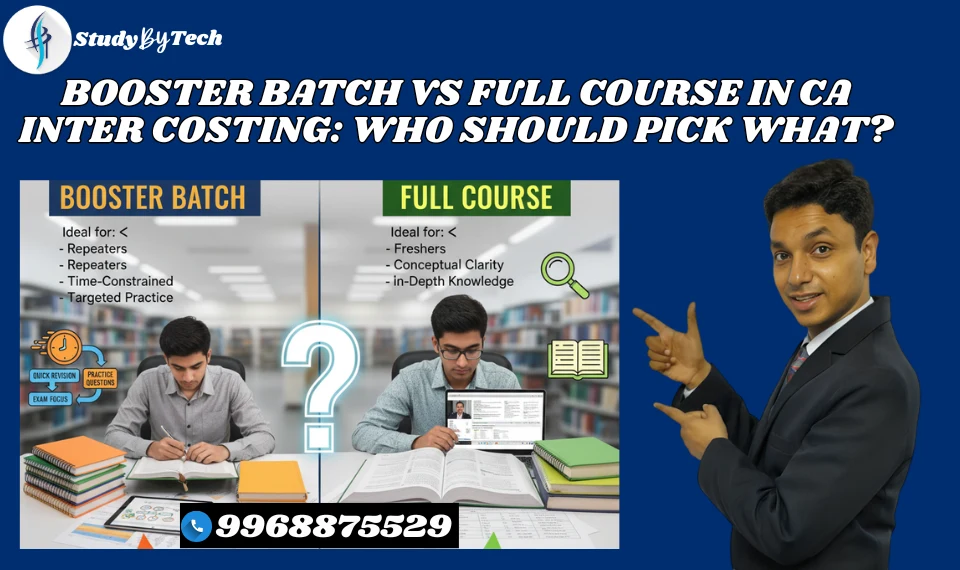
Booster Batch vs Full Course in CA Inter Costing: Who Should Pick What?
Blogs, CA, CA Inter

Booster Batch vs Full Course in CA Inter Costing: Who Should Pick What?

CA Inter Classes ICAI Registration Process, Fees, & Syllabus Admit Card Exam Dates Study Guides & Tips CA Inter faculties FAQ Deciding between a Booster Batch and a Full Course of CA Inter Costing can be perplexing — more so when both are conducted by one of India’s most reliable Costing faculties, CA Parag Gupta Sir. To make the decision easier for you, here’s a simple comparison based on your preparation level, time at hand, and attempt date. 1️⃣ The Booster Batch – Fast, Comprehensive & Targeted What Sets This Batch Apart: In short, if you would like to revise quickly, make concepts stronger, and become exam-ready in the least amount of time, the Booster Batch is ideal for you. 2️⃣ The Full Course – Complete, Interactive & In-Depth Ideal for: Candidates appearing for May 2026 attempt onwards. Mode Options: What’s Included: The Full Course is not only lectures — it’s a guided learning experience. Limited seats in live and class batches mean each session is highly interactive and offers a personalized experience with Parag Gupta Sir. You’ll not only develop conceptual understanding but also exam temperament through repeated testing and counseling. Conclusion Both batches are crafted under the expert guidance of Parag Gupta Sir, so you learn Costing conceptually and practically. Your selection is based on your attempt at the exam and level of preparation at present — you’ll answer to get the **optimal learning experience** StudyByTech is famous for, whatever you select.

CA Inter Costing within 45 Days
Blogs, CA Inter, Costing

CA Inter Costing within 45 Days – The Parag Gupta sir’s Booster Batch

If your CA Inter Jan 2026 attempt is looming near and you are concerned about completing the entire Costing syllabus within the time constraint, Parag Gupta sir’s Booster Batch is the ideal answer. Structured for high-impact learning, the batch completes the entire syllabus in a mere 130 hours, getting you prepared in-depth in just 45 days without sacrificing quality. What You Receive in This Booster Subscription Why This Works for Jan 2026 Students With this batch, you’re not merely covering syllabus—you’re purposefully preparing for optimum performance in minimal time. FAQ’s

CA Inter Costing Best Faculty: 5 Qualities That Make Parag Gupta Sir Stand Out
Blogs, CA Inter, Costing

CA Inter Costing Best Faculty: 5 qualities that make Parag Gupta Sir stand out

CA Inter Classes ICAI Registration Process, Fees, & Syllabus Admit Card Exam Dates Study Guides & Tips CA Inter faculties FAQ Choosing a faculty for CA Inter Costing can be challenging. There are so many different teachers and options available online and offline that picking one who is going to actually help you understand this subject (not just finish the syllabus) is tough. CA Parag Gupta Sir is considered as students’ most recommended faculty for Costing at CA Inter & Final level. He does not just teach costing; his way of concept clarity with approach towards doubts taking of each student is amendable. Let’s find out what makes Parag Gupta sir different from other faculties. Here are 5 standout qualities that truly make Parag Gupta Sir the best CA Inter Costing faculty– 1. Insights from an Ex-Examiner + In-Class Difficulty-Based Tests Parag Sir’s background as an ex-examiner is a huge advantage. He teaches you how to write answers the way examiners want to see them. In his classes, he breaks down how papers are checked, common mistakes students make, and how to present your answer properly. He also conducts in-class tests that are difficulty-based — not just a formality. These tests actually help you measure your real understanding of a topic. They’re an eye-opener and guide your preparation in the right direction. 2. Test Series included with the course enrollment- One of the first things that impressed the students is that Parag Sir provides a full-fledged test series as part of the course itself — no extra payment, no separate registration. And these aren’t just any random tests. They’re curated to ensure that every important topic gets covered. The questions are structured to reflect real exam patterns, helping you build both confidence and speed as you prepare. 3. 1-on-1 doubt sessions that are actually accessible Doubt-solving is often where many faculties fail. They either redirect you to Telegram groups or assistants or may be taking 1 week or so in solving the doubts. But Parag Sir personally attends to students’ doubts usually the same day when it is asked. Whether it’s a small confusion or a concept you completely missed, his 1-on-1 sessions are easily accessible and super helpful. You feel like you’re actually being guided by someone who cares about your learning. And he assures you that he is with you till you reach your exam hall. This kind of guidance & approach is really very much appreciated by his students. 4. The Magical 50+ Questions to score 60+ marks for Last-Day Revision Every CA student feels under pressure to revise the whole course before their exams. That’s why Parag Sir’s list of 59 selected questions is a blessed handout. These questions ensure your revision covers the most exam-relevant topics and concepts. Simply using this list will help improve your confidence and improve your chances to score a 60+ marks in Costing (even if you haven’t prepared perfectly). 5. Bonus 20 Hours of Full Course Access with His Book for self study students Another thoughtful feature is that when you get Parag Sir’s book, you also get 20 hours of access to his full course videos. This means if you’re stuck on a topic or just want to revisit something in detail, you can simply log in and watch that portion again. It’s a perfect blend of textbook and video learning, and it gives you flexibility to revise as needed.Subscribe to 7th edition book from here. Final Thoughts If you’re preparing for CA Inter Group 2 and looking for someone who doesn’t just cover the syllabus but helps you master it – Parag Gupta Sir is the name to trust. From personalized doubt support to deep insights from an examiner’s point of view, his classes offer a complete learning experience. Costing may seem like a tough subject, but with the right mentor, it becomes manageable — even enjoyable. Parag Sir proves that the right teacher makes all the difference. Subscribe now! FAQ’s

the Right Faculty for CA Inter Costing
Blogs, CA Inter, Costing

Choosing the Right Faculty for CA Inter Cost Accounting: A Comprehensive Guide

CA Inter Classes ICAI Registration Process, Fees, & Syllabus Admit Card Exam Dates Study Guides & Tips CA Inter faculties FAQ There can be a difference when it comes to preparing for CA Inter Cost Accounting from the right faculty. Why? Because this subject needs a conceptual understanding and ability to solve questions, so either way you will need to learn from experienced faculty in a disciplined & serious mode. Why CA Parag Gupta is considered best faculty for CA Inter Costing When it comes to mastering Costing for CA Inter, choosing the right mentor can make all the difference between just passing and excelling in your exams. Among the many distinguished educators in the field, CA Parag Gupta stands out as an exceptional faculty member who has transformed the way students learn Cost Accounting. Revolutionary Teaching Methodology CA Parag Gupta’s unique teaching approach sets him apart in the field of Cost Accounting education. His methodology includes: Comprehensive Study Material One of the hallmarks of CA Parag Gupta’s teaching is his meticulously crafted study material. His course material is known for: Student-Centric Approach What truly distinguishes CA Parag Gupta is his dedication to student success. His teaching philosophy emphasizes: Innovative Learning Tools Understanding the evolving needs of modern students, CA Parag Gupta incorporates: CA Inter Costing Demo classes Why Choose CA Parag Gupta for CA Inter Costing? The decision to learn CA Inter Costing from CA Parag Gupta sir comes with several advantages: CA Parag Gupta is an excellent option for the CA Inter Cost Accounting aspiring student. He blends conceptual clarity, practical application and exam-oriented preparation perfectly for his students. His dedication to his students, his massive wealth of experience and creativity in delivering courses makes him a great choice for CA Inter preparation. Remember, Cost Accounting is not just about learning formulas and solving problems; it’s about understanding concepts and their practical applications. With CA Parag Gupta’s expert guidance, you can develop both these aspects effectively, setting yourself up for success in your CA journey. FAQ’s }, “publisher”: { “@type”: “Organization”, “name”: “Parag Gupta”, “logo”: { “@type”: “ImageObject”, “url”: “https://www.paraggupta.com/wp-content/uploads/cropped-Untitled-design-min.png” } }, “datePublished”: “” }

Best CA Inter Costing Study Material
Blogs, CA Inter, Costing

The Power of Practice – Best CA Inter Costing Study Material

CA Inter Classes ICAI Registration Process, Fees, & Syllabus Admit Card Exam Dates Study Guides & Tips CA Inter faculties FAQ The Secret to Success in CA Inter Costing Exam: Practice, Practice, Practice CA Inter Costing can appear complicated; let’s face it! It involves more than just comprehending the concepts; it also entails successfully applying them to diverse situations. And how can we accomplish that? Via diligent practice. The awful ‘P’ word, indeed! But trust me when I say that the greatest way to ace CA Inter Costing is by practice. And that too from ICAI’s CA Inter Costing Study Material. But the only way to truly gain the confidence you require is by reading supplemental books. The Significance of Practice Strengthens Concepts: By trying to solve difficulties, you comprehend each concept’s subtleties and learn how to use them. Enhances Problem-Solving Ability: Costing issues can be challenging. You can create effective approaches and solutions by practicing. Discovers Weaknesses: You can’t work on your shortcomings until you face them. Develops Confidence: Your confidence in the subject increases as you practice and improve. Your CA Inter Costing Study Material for Practice: ICAI Content—The Foundation: It should go without saying that you NEED to practice every single question. The 7th edition Book of Costing by Parag Gupta : Because of the wide range of questions and their simple answers, many students follow his book. It is essential to your gear. His book frequently challenges your ideas and offers an alternative viewpoint on the topic. Previous Mocks and Papers: Complete previous assignments and try out practice exams. They aid in time management and provide you with a solid grasp of the exam format. How to Practice Well: First start with the fundamentals: After finishing the ICAI curriculum, proceed to the further resources. Always remember do theory from ICAI study material and proceed to practice more question use supplementary books of Parag Gupta sir. Change things up: Practice a range of questions, including theory, practical, complex, and basic ones. Examine errors: Recognize your mistakes. Don’t simply ignore your errors. Take Your Own Time: Try to finish the questions in the allotted time. Continue Practicing: Review difficult topics/important topics on a regular basis and work through previous & new challenges, to become a PRO on the topic. Conclusion: Gaining proficiency in CA Inter Costing is a process that takes time and effort. Thus, begin practicing frequently. And this can be done only by following CA Inter Costing study material discussed in the above blog in a proper way.Add a range of books to the ICAI study materials like 7th edition CA Inter Costing book by Parag Gupta sir. Recall that the secret to success is constant practice. All the best for your exams! FAQ’s

Blogs, CA Inter, SM

CA Inter SM: Ansoff Matrix With Quick Revision By Parag Sir

The Ansoff Matrix is one of the most crucial concepts in Strategic Management for CA Inter students. It’s a tool that helps businesses identify growth strategies by analyzing existing and new products, as well as market opportunities. In just 60 seconds, let’s break down this framework for a quick revision. What is the Ansoff Matrix? The Ansoff Matrix, also known as the Product/Market Expansion Grid, is a strategic planning tool used by businesses to decide their growth strategy. Created by Igor Ansoff in 1957, it outlines four key strategies a company can use to expand based on whether it introduces new or existing products and targets new or existing markets. These strategies are: Let’s take a closer look at each strategy and how they apply in real-world business scenarios. 1. Market Penetration Definition: Market penetration focuses on increasing sales of existing products in existing markets. The aim is to grow market share by encouraging more frequent purchases, attracting customers from competitors, or increasing overall product usage. Example: A beverage company offering discounts or improving its distribution network to boost sales in its current market. When to Use: This strategy is ideal when a company operates in a growing market and its current products are successful. The risks are low because the company stays within its established territory. 2. Market Development Definition: In market development, businesses introduce their existing products to new markets. This can involve expanding into new geographic areas, targeting different customer segments, or using alternative sales channels. Example: A clothing brand initially selling only in India, expanding its operations to Southeast Asia. When to Use: Market development is useful when the current market becomes saturated, and the business is looking for opportunities to grow by entering new areas or segments. 3. Product Development Definition: This strategy involves creating new products for existing markets. It requires innovation and understanding of customer needs to develop products that align with the market’s preferences. Example: A smartphone company introducing a new model with advanced features to attract its current customer base. When to Use: Product development works best when a company has a strong foothold in the market and a deep understanding of its customers’ needs. Innovation here can help the business maintain its competitive edge. 4. Diversification Definition: Diversification is the riskiest strategy in the Ansoff Matrix. It involves entering entirely new markets with new products. There are two types of diversification: related and unrelated. Related diversification occurs when the new market or product is somewhat connected to the company’s existing operations, while unrelated diversification refers to entirely different industries or product lines. Example: A car manufacturer expanding into the electric bike market (related) or a cosmetic company launching a line of home appliances (unrelated). When to Use: Diversification is typically used when a business seeks to reduce risk by spreading investments across different industries or when the current market or product portfolio no longer offers growth potential. Why is the Ansoff Matrix Important for CA Inter? Understanding the Ansoff Matrix is essential for CA Inter students as it is a key part of strategic Management. It teaches you how companies plan for growth and make informed decisions about risk and opportunity. As a future CA, knowing how to apply the Ansoff Matrix will help you advise businesses on expansion strategies and evaluate the risks involved. Conclusion The Ansoff Matrix is a simple yet powerful tool that helps businesses chart their growth strategy. Whether it’s penetrating an existing market, developing new products, or exploring new markets, this matrix provides a structured way to think about growth. In your CA Inter Strategic Management exams, being able to quickly recall these strategies will give you an edge in case studies and practical applications. FAQ’S

CA Inter Costing
Blogs, CA Inter, Costing

CA Inter May 24 Costing: Suggested Answers(on Process Costing)

Introduction to CA Inter Costing Classes by Parag Gupta Sir Parag Gupta Sir is renowned for his exceptional CA Inter Costing classes. With a focus on comprehensive understanding and practical application, his teachings ensure students excel in their exams. One of the critical components of the CA Inter May 24 Costing paper is Process Costing, specifically Question 4A. This blog delves into the suggested answer for this question, providing insights that align with Parag Gupta Sir’s teaching methodology. Understanding Q-4a Process Costing in CA Inter May 24 Costing Process Costing is a method used in industries where production is continuous, and the products pass through multiple stages or processes. It accumulates costs for each process and assigns them to units produced. This method is crucial for industries like chemicals, textiles, and oil refining. Key Components of Process Costing Step-by-Step Solution Example Problem Breakdown Given Data: Calculation: By applying these calculations, students can accurately allocate costs and understand the intricacies of Process Costing. Click here to see the all suggested answer for CA Inter Sept 25 Benefits of Parag Gupta Sir’s Classes Comprehensive Coverage Parag Gupta Sir’s classes provide in-depth coverage of all CA Inter Costing topics, including Process Costing. His structured approach ensures students grasp each concept thoroughly. Practical Examples His teaching includes numerous practical examples, mirroring the type of questions found in the CA Inter exams. This prepares students to tackle similar problems with confidence. Detailed Solutions Every problem is broken down step-by-step, as seen in the suggested answer for Q 4A. This methodical approach helps students follow along easily and understand the logic behind each step. Interactive Learning Classes are interactive, encouraging students to ask questions and engage with the material. This active participation enhances understanding and retention of complex concepts. Conclusion Mastering Process Costing is essential for success in the CA Inter May 24 Costing exam. Parag Gupta Sir’s classes offer the ideal preparation, providing detailed explanations, practical examples, and interactive learning opportunities. By following his guidance, students can confidently approach their exams and excel in their CA journey. FAQs

COST-AND-MANAGEMENT-ACCOUNTING
CA Inter, Costing

Mastering CA Intermediate Costing: Unlocking Success in Your Chartered Accountancy Journey

Introduction We’re happy that you’re here to learn how to take CA Intermediate Costing! As the leading authority on Chartered Accountancy (CA), we notice the value of offering outstanding information that not only informs but also inspires ambitious professionals like you. We will go into the complexities of CA Intermediate Costing in this blog, giving you the information and abilities needed to flourish in this field and advance yourself towards success. Cost and Management Accounting is a crucial subject in the CA Inter exams. It requires a thorough understanding of cost concepts, budgeting, cost control, and decision making. To excel in this subject, students need to adopt effective study strategies and apply their knowledge to practical scenarios. In this blog, we will provide you with valuable tips to help you master Cost and Management Accounting for CA Inter exams. CA INTERMEDIATE COST & MANAGEMENT ACCOUNTING PRODUCT: ENROLL NOW Understanding CA Intermediate Costing What is CA Intermediate Costing? CA Intermediate Costing, also known as the “Cost and Management Accounting” paper, is a vital component of the CA Intermediate curriculum. It focuses on developing your understanding of various cost and management accounting concepts, techniques, and tools. This subject plays a crucial role in preparing you to make informed financial decisions, analyze costs, and contribute to the strategic planning and control processes within organizations. Importance of CA Intermediate Costing: Mastering CA Intermediate Costing is essential for several reasons: 1. Comprehensive Knowledge: A strong foundation in cost and management accounting concepts is essential for aspiring CAs to navigate complex financial scenarios confidently. 2.Professional Competence: Competence in cost and management accounting enables CAs to provide valuable insights, aid decision-making, and contribute to the overall financial health of organizations. 3. Examination Significance: Scoring well in the CA Intermediate Costing paper is crucial for achieving a high overall score in the CA Intermediate examination. CA Intermediate Cost and Management Accounting Syllabus The CA Intermediate Costing Syllabus is made available by ICAI each year. The topics and chapters that will be covered in the examination are all current knowledge that is contained in the syllabus. Students will stay informed about any new ICAI modifications thanks to the CA Inter Costing syllabus. When creating your study plan, syllabuses are helpful. CA Intermediate Cost and Management Accounting- Study Material The CA Inter Costing syllabus guarantees that students are kept informed of any fresh ICAI modifications. Making a study plan involves using course resources. Once they have finished registering and creating a costing study plan in accordance with it, students should completely read over your CA Intermediate Costing study material. Download CA Intermediate Cost and Management Accounting PDF Now. Module-1 Module-2 CA Intermediate Costing Exam Pattern and Marking Scheme. The theory-based CA Intermediate Cost and Management Accounting paper. The CA Intermediate Costing Marking system is described below. How to study for CA Inter Cost & Management Accounting: Studying for the CA Inter Cost Management and Accounting paper requires a systematic and focused approach. Here are some tips to help you prepare effectively: 1. Understand the Syllabus: Start by familiarizing yourself with the syllabus and the topics covered in the Cost & Management Accounting paper. This will give you a clear roadmap of what you need to study and allocate your time accordingly. 2. Create a Study Plan: Develop a study plan that covers all the topics in the syllabus. Break down the subjects into manageable study sessions and allocate sufficient time to each topic. Be realistic in setting your study goals and make sure to include regular revision sessions. 3. Study Material: Best study material for CA Inter costing is ICAI study material & Parag Gupta sir’s 7th edition book set. This is the most updated material & includes all variety of questions which every student should do in case to get exemption in costing. 4. Understand Concepts: Cost Management and Accounting involve numerous concepts, formulas, and techniques. Take the time to understand the underlying principles of each topic. Start with the basics and gradually build upon your knowledge. If you come across any concepts that are challenging, seek clarification from your professors or refer to additional study resources. 5. Practice Numerical Problems: Cost Management and Accounting are practical subjects that require a strong application of concepts. Practice solving numerical problems from past exam papers and practice manuals. Focus on developing speed and accuracy in calculations. 6. Case Studies: Familiarize yourself with case studies that demonstrate real-life scenarios. Understand the problem, identify the relevant information, and apply the appropriate concepts and techniques to analyze and solve the case. This will help you develop a practical understanding of how to apply cost management principles in different situations. 7. Make Notes: While studying, create concise and organized notes. Summarize the key points, formulas, and examples for each topic. These notes will serve as a handy revision tool in the final days before the exam. 8. Revision: Regularly revise the topics you have covered to reinforce your understanding. Review your notes, solve additional practice questions, and participate in mock exams to assess your knowledge and identify areas that require further attention. Parag sir has also shared 50+ questions to score 60+ marks in examination, which is helping to revise the whole syllabus important concepts in 1 day. 9. Time Management: Manage your time effectively throughout your study period. Set deadlines for completing each topic and stick to them. Avoid procrastination and maintain a consistent study schedule. 10. Mock Exams: Take mock exams under exam-like conditions to simulate the actual exam experience. This will help you improve your time management, identify weak areas, and get accustomed to the exam format. 11. Stay Positive and Take Breaks: Maintaining a positive mindset is crucial during the preparation phase. Take short breaks to relax and rejuvenate. Engage in activities that help you destress and maintain a healthy balance between study and leisure. Remember, consistent effort and dedication are key to success in the CA Inter Cost Management and Accounting paper. Stay focused, practice regularly, and believe in

CA Intermediate Exam Pattern
Blogs, CA Inter, ICAI

CA Intermediate Exam Pattern

You have to understand the test structure, syllabus, and topics included if you plan to sit for the Chartered Accountancy (CA) Intermediate exam. Through this article, you will understand the CA Intermediate Exam Pattern. You can use this article to assist you in effectively preparing for the CA Intermediate exam. The CA Intermediate test is difficult and necessitates a thorough comprehension of the exam structure and scoring methodology. To assist you in properly preparing for the exam, we will provide you with a thorough insight into the CA Intermediate exam format and marking scheme.  Understanding the CA Intermediate Exam Pattern There are two groups of four papers each for the CA Intermediate exam. Each paper has a three-hour time limit and carries 100 points. The exam is offered in both offline and online formats, and applicants are free to select the format they want. Group I Group I of the CA Intermediate exam consists of the following 3 papers: Paper 1: Accounting (100 marks) This paper covers topics such as Accounting Standards, Accounting for Special Transactions, and Partnership Accounts. Paper 2: Corporate Laws and Other Laws (100 marks) This paper covers topics such as Company Law, Securities Laws, and FEMA. Paper 3: Taxation (100 marks) This paper covers topics such as Income Tax and GST. Group II Group II of the CA Intermediate exam consists of the following 3 papers: Paper 4: Cost and Management Accounting (100 marks) This paper covers topics such a0F5B88s Costing Methods, Budgeting, and Standard Costing. Paper 5: Auditing and Assurance (100 marks) This paper covers topics such as Audit Planning, Audit Procedures, and Audit Reports. Paper 6A: Strategic Management (50 marks) This paper covers topics such as Information Systems and IT Governance, Strategic Management, and Risk Management. Paper 6B: Financial Management(50 marks) This paper covers topics such as Financial Management, Capital Budgeting, and International Trade. Marking Scheme For the CA Intermediate exam, the Institute of Chartered Accountants of India (ICAI) uses a certain grading scheme. It is essential to comprehend the marking scheme because it offers information on how grades are assigned and how to approach the exam successfully. We will talk about the ICAI-recommended marking structure for the CA Intermediate exam. Overview of the marking system Conclusion The CA Intermediate exam is a difficult test that necessitates a thorough comprehension of the format and grading system. You can properly prepare for the exam and improve your chances of success by being aware of the format and grading scheme. We trust that this blog has given you a thorough insight into the CA Intermediate exam structure and scoring system. Please feel free to contact us in the comments box below if you have any questions or concerns. FAQ’s

CA Intemediate GST Classes
CA, ICAI

CA Intermediate GST Classes For CA Student

CA Intermediate GST (IPCC) Classes The objective of this document is to summarize all the updates of CA Intermediate GST Classes (CA IPCC) (Notifications, Circulars, other amendments, and updates) in one place.2 Central tax notifications,1 Integrated tax notification,And also the council has approved the new GST rates for the real estate sector in the 33rd meeting. CA Intermediate GST (CA IPCC) Important Notices 1.0 Notifications:Objective:I. Notification No. 8/2019_Central tax dated 08th Feb.2019:GSTR-7 (Return for TDS) for Jan’19 from 10th Feb’19 to 28th Feb’19 to 28th Feb’19.filing GSTR-3B for Jan’19 from 20th Feb to Feb.19 for Jammu & Kashmir Feb.19 for the remaining states III. Notification No. 2/2019_Integrated tax (Rate) dated 04.Feb.2019:Since the definition of exports and the Sec 54 of the CGST act have been amended to include the supplies to Nepal and Bhutan under definition of Exports, the Notification No.02/2019 was issued to rescind the exemption entry 10D (the exemption of IGST, for the supplies made to Nepal & Bhutan) of the Notification no.9/2017 dated 28th Jun’17. 2.0 CA Inter GST Classes CA Intermediate GST Circulars (CA IPCC): I. Circular No. 88/07/2019 Central Tax dated 01.02.2019:Circular No. 8/8/2017_04.10.2017_”Master circular relevant for the export procedures and refunds” was amended in view of the amendment allowing realization of export proceeds in INR, wherever allowed by the RBI (CA Intermediate/ IPCC). [2(6) of IGST act].Circular No. 38/12/2018_26.03.2018_”Clarification on issues related to Job Work” was amended to in view of the (IPCC) amendment carried empowering the Commissioner to extend the period for return of inputs and capital goods from the job worker and also the RCM on services received from un-registered job workers. [9(4) and 143 of CGST act.]Circular No. 41/15/2018_13.04.2018_” Procedure for interception of conveyances for inspection of goods in movement…………” was amended to in view of the amendment carried out extending the time limit from 7days to 14 days for owner/transporter to pay tax/penalty for seized goods. [Sec 129 of the CGST act]. CA Intermediate GST Updates (IPCC) After observing that the majority of taxpayers are not reporting details in Table 3.2 of GSTR-3B,III. Circular No. 90/09/2019 Central Tax dated 18.02.2019:IV. Circular No. 91/10/2019 Central Tax dated 18.02.2019:In Circular 46/2017_Customs_Dated 24.Nov.17, it was clarified that,In Circular 3/2018_IGST(CA Intermediate)_Dated 25.May.18, it was clarified that, considering the amendments in the Customs Tariff Act (IPCC),This shall be applicable w.e.f. 01.Apr.18.There was no provision in GSTR-1 for changing POS for such B2B supplies. If the supplier and recipient are in the same state, it was considered as Intra-state sales.3.0 33rd GST Council meeting updates (IPCC):I. GST on Residential properties The proposed GST rate for the residential flats are as followed: 1% for the Affordable housing5% for the othersFor qualifying as “affordable housing” below 2 conditions should be satisfied:Carpet area of up to 90 Sqm in non-metropolitan cities/towns and 60 Sqm in metropolitan cities andThe value < 45Laks in both Metro/Nonmetropolitan citiesThe effective date shall be 01.Apr.19.II. Others (IPCC)The existing rates shall continue for the commercial projectsThe taxation on betting and lotteries shall be taken up in the future council meetings. Click Here: CA Intermdiate New Course Also Read- CA Intermediate Courses CA Final Result 2019 CA Final Exam Date Sheet

Scroll to Top
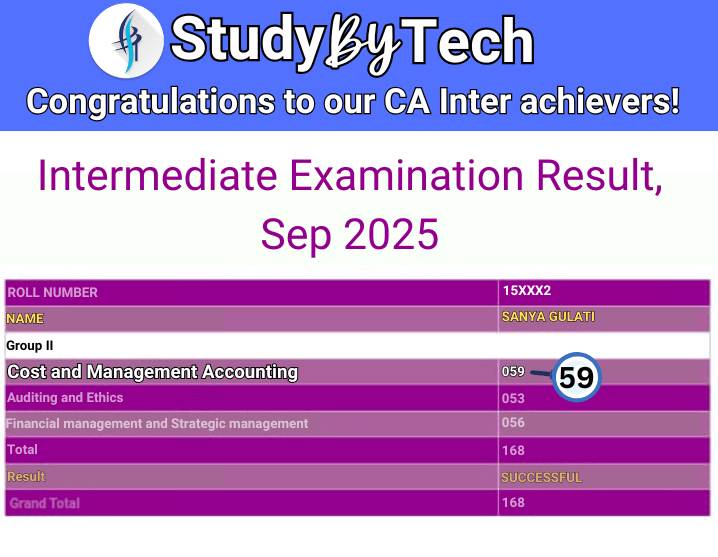
sanya ca inter student
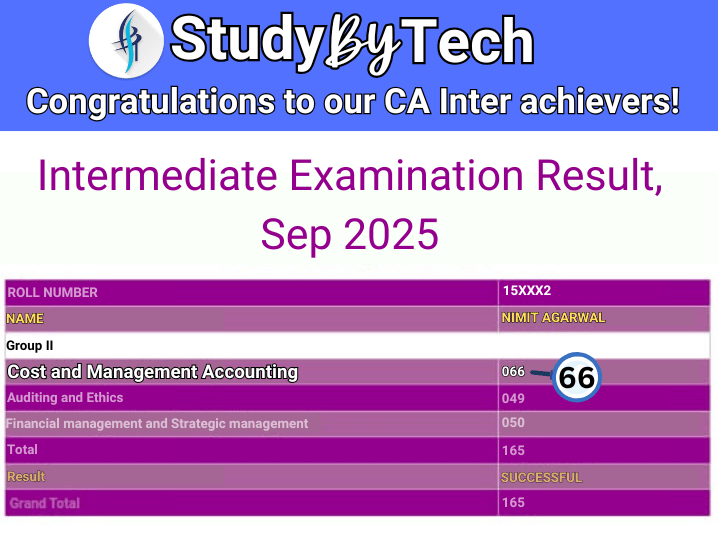
nimit ca inter student
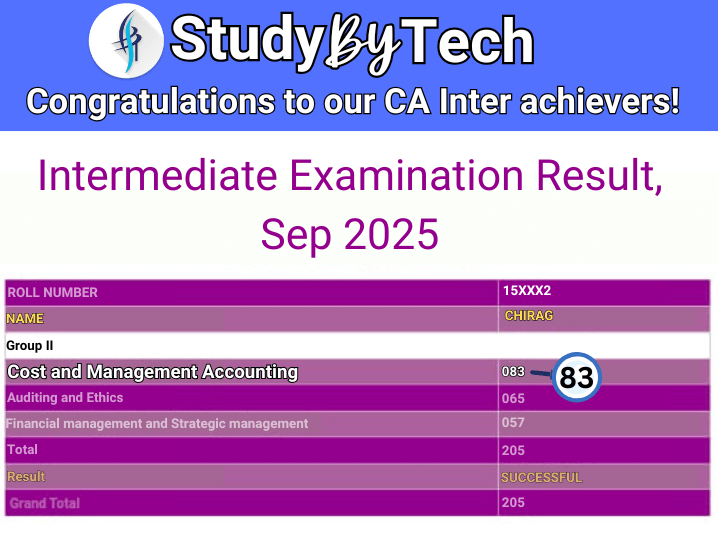
chirag ca inter student
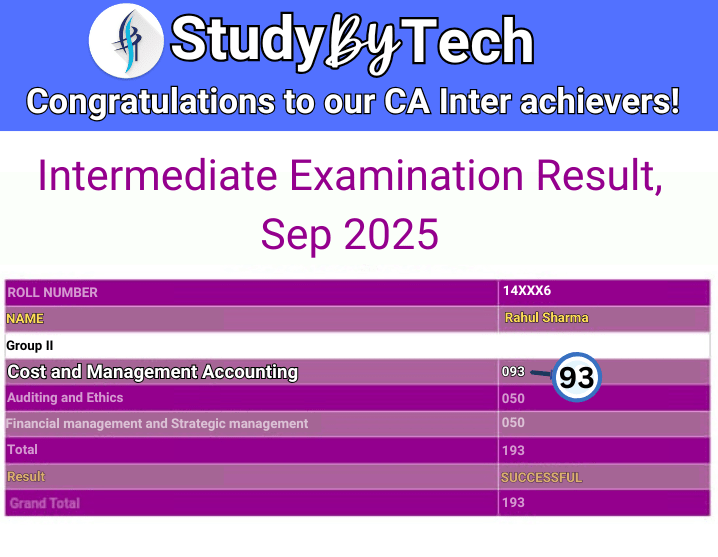
rahul ca inter student
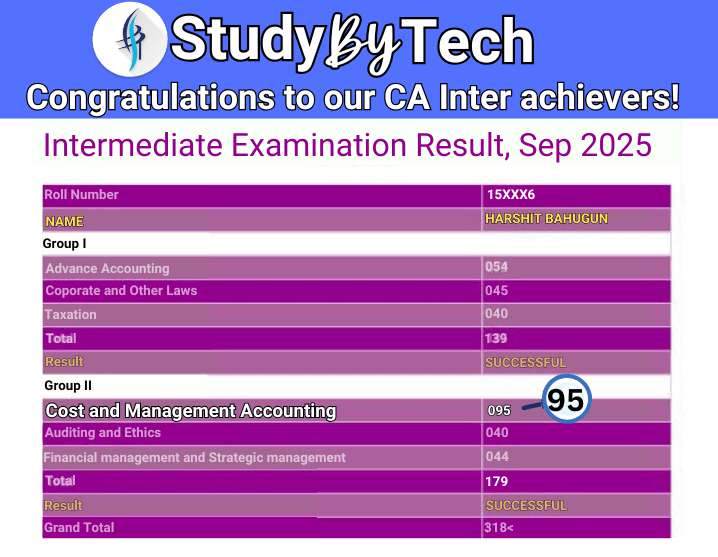
harshit ca inter student