CA Final

CA Final IBS September 2025: Complete Exam Review & Future Strategy
Blogs, CA Final, SCPM

CA Final IBS September 2025: Complete Exam Review & Future Strategy

Let’s dive into a comprehensive analysis of the CA Final IBS September 2025 examination. After all, it’s essential to understand exactly what the examiner asked from each subject and how the paper’s structure has evolved. This analysis will help both current students and future aspirants strategize effectively. Take a look on Parag sir’s review on CA Final IBS Sept 2025 exam: CA Parag Gupta Major Shift:  CA Final May 2025 CA Final Sept 2025 Group 1 weightage was 40 marks FR was of 12 marks Group 1 weightage was of 53 marksFR was of 22 marks Group 2 weightage was 43 marks Group 2 weightage was of 37 marks SPOM- 42 marksOut of which SPOM-set B was of 24 marks & SPOM-set A was of 18 marks SPOM- 35 marksOut of which SPOM-set B was of 22 marks & SPOM-set A was of 13 marks Group 1 Takes Center Stage The most significant observation from September 2025 is the substantial increase in Group 1 weightage. Group 1 weightage increased from 40 marks to 53 marks, a staggering 32.5% increase which shows evidence of a purposeful change on the part of the examiner, signaling an increase in the emphasis placed on foundational subjects. Financial Reporting (FR) has seen the most substantial level of change, from 12 marks to 22 marks. This is significant enough that students will no longer be able to treat FR as an afterthought.  Group 2 Sees Strategic Reduction In contrast, Group 2 has seen a substantial reduction in its weightage. The weightage has decreased from 43 to 37 marks. This adjustment validates the examiner’s rebalancing approach. While this group, made up of Direct Tax (DT) and Indirect Tax (IDT), holds a smaller mark weightage as part of the total than before, it is still a notable part to achieve overall success. The SPOM Reality Check: Your Make-or-Break Subject Now, let’s discuss the elephant in the room – Self Paced Online Module(SPOM). Many students ask, “Which subjects of SPOM are most important for CA Final IBS exam?” Here is the full story: Current Attempt (September 2025): Previous Attempt: While SPOM has slightly decreased from 42 to 35 marks, here’s the critical insight: if you want to clear IBS, you must give maximum attention on SCPM. Why? Because SCPM has emerged as the most important subject for CA Final IBS exam. Why SCPM is Your Gateway to Success Look at the pattern: while other subjects’ figures keep fluctuating up and down, SCPM’s figures are almost consistent. This consistency makes one thing absolutely clear – you cannot ignore SCPM, and you certainly cannot take it lightly. If you approach it casually, your entire paper will suffer. For future aspirants, juniors, or those who haven’t appeared this time, here’s what you need to focus on: treat SCPM preparation exactly like you prepared for Group 1 and Group 2. Don’t fall into the trap thinking that “SCPM can be managed with a limited set of MCQs.” This mindset is fundamentally wrong. The Study Strategy That Actually Works You need to study systematically and wholeheartedly.  Conclusion: Your Path Forward At the September 2025 CA Final IBS exam, it has been clearly demonstrated that consistency beats erraticism. While the weightages of either Group 1 or Group 2 may change, SCPM remains your constant stable parameter that can facilitate or hamper your IBS results.  Do not take a chance with your CA Final journey. Respect the importance of SCPM and prepare for it accordingly, and SCPM will become your greatest asset in giving you the ability to pass the IBS paper. Consistency with preparation leads to consistent results in CA Final. Parag Gupta sir’s SCPM classes have special emphasis on IBS portion of SCPM syllabus, helping CA final students to study & revise the course as per IBS(Paper 6) exam. Want to enroll to CA Final SPOM-set B + IBS(SCPM portion) classes? FAQ’s

CA classes, Exams tips

Preparation Tips while waiting for CA Result

CA Foundation Classes CA Inter Classes CA Final Classes StudyByTech Offers Contact us The gap between completion of your CA exams and the announcement of results is something like between heaven and earth. With these months free from worrying about result announcements, there are many productive things that can be done. Here’s a complete guide on what you can do to use this time wisely. Professional Development Begin with Industrial Training Build Your Technical Skills Personal Growth The CA profession is not merely about technical knowledge. Focus on developing: Learn a New Language Think about learning a foreign language or honing your mastery of English. It could help boost your career opportunities, particularly if you are seeking work with an international company. Practical Experience Internships and Part-time Work Even if you’re waiting for your results, you can: Start Networking Preparation for the Future Career Planning Use this time to: Further Education Consider preparing for: Personal Well-being Physical and Mental Health Don’t forget to: Financial Planning Start developing good financial habits. Stay Updated with Industry Trends Keep Learning Conclusion The period between exams and results is a valuable opportunity for growth and preparation. Instead of letting anxiety about results consume you, use this time to build a strong foundation for your future career. Remember, regardless of the exam outcome, the skills and knowledge you gain during this period will always be beneficial for your professional journey. Remember to maintain a balanced approach – while it’s important to be productive, don’t forget to rest and rejuvenate after the intensive exam period. This time can be used not just for professional development but also for personal growth and self-discovery. Courses available at StudyByTech FAQ’s

ca parag gupta is explain ca final costing topic value chain analysis in just 60 second
Blogs, CA Final, SCPM

Value Chain Analysis: Quick Concept with Parag Gupta

Value chain analysis (VCA) that Michael Porter had developed is a very effective tool for every operational step that might be involved in the production process, which makes the company final product or service. In the CA Final Costing, this technique is very important as it is the one that will help the students understand how to obtain cost efficiency and value addition. Let’s quickly break down how Value Chain Analysis can help CA students tackle costing questions, thus sharpening your basic understanding using a 60-second video by Parag Gupta sir. What is Value Chain Analysis? Value Chain Analysis is a careful investigation of the functions that a company performs in a course of the production of a product or service. It is a missing link between the companies where value is created on the production line and where the problems are along with the appropriate solutions, cost reduction or, opportunities for differentiation, are shown. The main aim is to improve effectiveness, to cut expenses, and to enhance the business’s competitiveness level. Value Chain Analysis in 60 Seconds Primary Activities Primary activities are the essential business operations that directly create and distribute value to customers. They consist of: Support Activities Support activities such as teamwork, planning, and strategic management facilitate the flow of primary activities efficiently. The various support activities include the following: Why Use Value Chain Analysis? An effect between a strategy and profit could be established if the entity continuously scanning through allocating for those specific tasks that are non-expensive and assigning competitive advantages to the higher priced-costs ones. In brief, the analysis can raise the lowermost expenses and increase the efficient service more which will have a direct or indirect impact on the level of satisfaction of every user. Value Chain Ability of business is additionally the ability to concentrate on their main competence, get subcontractors to do non-critical tasks, and be more innovative wanted areas respectively. Conclusion Value Chain Analysis can reveal how your business operates most efficiently and it shows the potential for strategic growth. This could be achieved by dismantling every step in logistics as well as the sales process to identify where the cost can be cut, whether it’s changing the kind of supplier or some other solution that the customer will find appealing. With the help of experts such as Parag Gupta. FAQ’s

CA Final IBS – Expert Strategy & Case Study Tips by Parag Sir
CA, Blogs, CA Final

CA Final IBS – Expert Strategy & Case Study Tips by Parag Sir

What is CA Final IBS? CA Final IBS (Integrated Business Solutions), is quite difficult in nature with its long case studies that do not only need the technical knowledge but the strategic thinking too. The powerful part of the curriculum is the application of knowledge through case studies of all CA Final subjects, be it from self-paced online modules, or CA Final Group 1 subjects or CA Final Group 2 subjects. So this exam actually tests your applicability of all subjects in 1 exam. This blog is by CA Parag Gupta who is a well-known faculty in the CA Final SCPM(SPOM-set B). He has come up with a couple of ideas that can help you manage the long case studies in the CA Final IBS paper. The Council has decided that the duration of the examination of this paper would continue to be four hours and the manner of assessment of this paper would also be 40% by way of MCQs and 60% in the form of Descriptive Questions in each case study of 25 marks. Accordingly, there will be five case studies of 25 marks each out of which students will be required to attempt any four. Quick Tips for Long Case Studies | CA Final IBS | CA Parag Gupta: Why CA Parag Gupta is the Best Mentor for CA Final IBS? Parag Gupta sir is considered the most experienced and most recommended faculties amongst CA students. With his 2 decades of teaching experience as CA Inter Costing SM and CA Final SCPM(SPOM-set B) & IBS(SCPM portion), he has always helped & guided lakhs of students to achieve their goal of becoming CA. After every few years, ICAI make changes in syllabus and pattern of exams, which always confused CA students. Everytime, CA Parag Gupta sir’s guidelines has being the most helpful guide. His years of analysis and experience has helped him to understand how the course is evolving and how ICAI is actually thinking to take the examination and evaluation process. CA Final IBS May 25 Exam review: Break Down the Questions The initial stage in solving any long case study is to correctly comprehend the scenario. Frequently, scholars question their understanding of the case itself, which eventually leads to errors and confusion further in. Here are the ten essential steps to follow when working on the case: One important step that should not be missed is to comprehend the whole case before moving on to the set of questions. In the in IBS paper, a large number of questions are composed of different parts and involve detailed analysis. Follow these steps: CA Final IBS | How to Solve Case Studies (70+ Strategy) by Parag Sir: IBS Case Study Strategy The IBS paper deliberated over the management of strategic cost where cost management and decision making, performance measurement, and cost control are examined. By applying a framework, it is possible to follow a schedule to approach a case study. Several such concepts might be useful: Applying the use of these frameworks demonstrates to the examiner the fact that you are strategic in your mindset and you are not just working with numbers. Also, these frameworks help you in the way that they enable you to break the masses of information down into smaller parts which you can easier manage. Common Mistakes in IBS Exam & How to Avoid Them One can be tempted to retell the case study’s information, but instead, examiners are looking for original independent analysis. Utilise information provided to: Structure Your Answer Well Understanding is what plays a major role in lengthy case studies. Even with a perfect analysis, an improperly structured answer can lead the examiner to question your thoughts. The answers have always had to be structured as follows: Time Management Long case studies can be time-consuming, yet make sure they don’t take up all your exam time. Set a specific amount of time for each question, and if time is running down you should go to the next one. You are still able to revisit the question later if necessary. Conclusion To deal with these types of scenarios with the CA Final IBS paper, one must have a structured approach, logical analysis and good time management skills. This way, you can handle the exam even if there is a really difficult question, confidently and increase your marks also. FAQ’s

Altman’s Z, H Score, and Argenti’s A Score by CA Parag Gupta
Blogs, CA Final, SCPM

Understanding Financial Health: Altman’s Z, H Score, and Argenti’s A Score

In the field of financial analysis, evaluating a company’s stability and health is essential. Altman’s Z-Score, H Score, and Argenti’s A Score are three well-known models that are employed in this context. With the aid of these models, stakeholders can make well-informed judgements regarding a company’s financial situation. Each model provides distinct insights. Click here to learn Financial health & similar topic of SPOM-set B by Parag Gupta sir. ALTMAN’S Z score H Score The formula is: H = \frac{D_0 (1 + g_L) + D_0 H (g_S – g_L)}{r – g_L}H=r−gL​D0​(1+gL​)+D0​H(gS​−gL​)​ Where: Argenti’s A Score Argenti’s A Score is a diagnostic tool used to identify the risk of corporate failure. It was developed by John Argenti in the 1970s and focuses on three main areas: defects, mistakes, and symptoms. The A Score is calculated by assessing various factors within these areas, such as management quality, financial structure, and operational efficiency. The scoring system is: Each factor is scored, and the total score indicates the likelihood of corporate failure. Conclusion Altman’s Z-Score, H Score, and Argenti’s A Score are powerful tools for assessing the financial health of a company. While the Z-Score focuses on bankruptcy prediction, the H Score evaluates growth potential, and Argenti’s A Score diagnoses the risk of failure. Together, these models provide a comprehensive view of a company’s financial stability, aiding stakeholders in making well-informed decisions. FAQ’s

Mastering the McKinsey 7S Framework: Insights from Parag Gupta Sir
CA, CA Final, SCPM

Mastering the McKinsey 7S Framework: Insights from Parag Gupta Sir

In the ever-evolving landscape of business management, understanding and optimizing organizational performance is crucial. One of the most effective tools for this purpose is the McKinsey 7S Framework, a model that has stood the test of time in helping organizations achieve strategic alignment and operational excellence. In this blog, we will explore the McKinsey 7S Framework, guided by the expertise of Parag Gupta Sir, a renowned faculty for SPOM- Strategic Cost & Performance management (SCPM). What is the McKinsey 7S Framework? The McKinsey 7S Framework is a management model developed by consultants at McKinsey & Company in the 1980s. It is designed to assess and align seven critical elements within an organization to ensure they work harmoniously towards achieving strategic goals. These seven elements are: Check out Parag sir’s video on Mckinsey 7S: The 7S Model: An Integrated Approach Parag Gupta Sir emphasizes that the power of the 7S Framework lies in its holistic approach. Unlike other models that focus on individual components in isolation, the 7S Framework interlinks all seven elements, ensuring that any change in one area is harmonized with the others. This interconnectedness is vital for achieving strategic coherence and operational efficiency. 1. Strategy Strategy is the cornerstone of the 7S Framework. It involves setting long-term goals and determining the best course of action to achieve them. Parag Gupta Sir highlights that a well-defined strategy provides direction and sets the stage for aligning the other six elements. 2. Structure The structure of an organization refers to its hierarchical setup. It defines roles, responsibilities, and the flow of information. An optimal structure supports efficient decision-making and enhances communication across various levels of the organization. 3. Systems Systems encompass the daily processes and procedures that govern organizational activities. Effective systems streamline operations, reduce redundancies, and ensure that tasks are performed consistently and efficiently. 4. Shared Values At the heart of the 7S Framework are the shared values. These are the fundamental beliefs and guiding principles that shape the organization’s culture. Shared values influence employee behavior, organizational ethos, and the overall work environment. 5. Style Style refers to the leadership approach adopted by management. Leadership style affects organizational morale, employee engagement, and the overall effectiveness of management. Parag Gupta Sir emphasizes that adaptive leadership styles that resonate with the organization’s values and culture are crucial for success. 6. Staff The staff element focuses on the organization’s human resources. It involves recruiting, training, and developing employees to ensure they possess the necessary skills and competencies. A talented and motivated workforce is key to executing the organization’s strategy effectively. 7. Skills Skills refer to the specific capabilities and expertise of the organization’s employees. Identifying and nurturing these skills ensures that the organization can meet its strategic objectives and adapt to changing market demands. Applying the McKinsey 7S Framework Parag Gupta Sir provides practical insights into applying the McKinsey 7S Framework in real-world scenarios. Here’s a step-by-step approach: Real-World Examples Parag Gupta Sir enriches his teachings with real-world examples that illustrate the practical application of the 7S Framework. For instance, he discusses how a leading tech company restructured its organization to foster innovation, aligning its strategy, structure, and systems to support a culture of creativity and rapid development. Conclusion The McKinsey 7S Framework is a timeless tool that provides a comprehensive approach to organizational analysis and improvement. By understanding and aligning the seven elements—Strategy, Structure, Systems, Shared Values, Style, Staff, and Skills—organizations can achieve greater coherence, efficiency, and success. Under the guidance of Parag Gupta Sir, mastering the 7S Framework becomes an invaluable asset for students, professionals, and business leaders alike. His expert insights and practical applications make this complex model accessible and actionable, empowering organizations to navigate the challenges of today’s dynamic business environment. For more in-depth learning, insights, and practical strategies, stay tuned to Parag Gupta Sir’s sessions on Strategic Planning and Operations Management. Want to enroll to SPOM-SCPM classes?

Kano Model
CA Final, CA Final IBS, Self paced online module

The Kano Model of Customer Satisfaction and its Importance

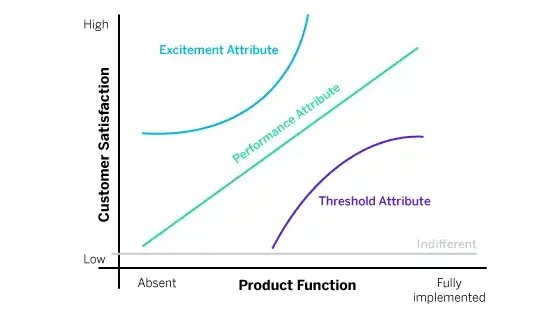
CA Final classes CA Final IBS classes(SPOM-set B portion) StudyByTech Offers Contact us Introduction Customer satisfaction is a cornerstone of successful business strategy. Understanding and addressing the diverse needs and expectations of customers can set a business apart from its competitors. The Kano Model, developed by Dr. Noriaki Kano, provides a valuable framework for categorizing and prioritizing these needs. This blog delves into the intricacies of the Kano Model, exploring its key components—Threshold Attributes, Performance Attributes, Excitement Attributes, and Indifferent Attributes—and highlighting its practical applications in enhancing customer satisfaction. In today’s highly competitive market, businesses strive to understand and meet customer expectations effectively. The Kano Model of Customer Satisfaction, introduced by Japanese quality management guru Dr. Noriaki Kano in the 1980s, offers a systematic approach to achieve this goal. By categorizing product or service attributes based on how they influence customer satisfaction, the Kano Model helps businesses prioritize their development efforts to maximize customer delight and loyalty. Parag Sir’s insight on Kano’s Model Parag Gupta Sir breaks down the intricacies of the Kano Model, explaining its core principles and illustrating its importance in the realm of customer satisfaction and quality management. Watch this video to get a great insight on this topic: https://youtu.be/fyk1KpZ6nwA Product attributes based on Kano’s model Threshold Attributes Threshold Attributes, also known as Basic Attributes or Must-Be Attributes, are the fundamental features that customers expect in a product or service. These attributes are not typically vocalized by customers because their presence is assumed. However, their absence leads to significant dissatisfaction. Performance Attributes Performance Attributes, or One-Dimensional Attributes, are those features that directly correlate with customer satisfaction. The better these attributes perform, the more satisfied the customers will be. Conversely, poor performance in these areas leads to dissatisfaction. Using the smartphone example again, performance attributes might include camera quality, processing speed, and screen resolution. Enhancing these attributes generally leads to higher customer satisfaction because customers can clearly see the benefits and improvements. Businesses should focus on continuously improving these attributes to stay competitive. Excitement Attributes Excitement Attributes, also known as Attractive Attributes, are the features that surprise and delight customers. These are unexpected and not typically demanded by customers, but their presence generates significant satisfaction. Conversely, their absence does not cause dissatisfaction because customers do not expect them. For instance, an innovative facial recognition feature in a smartphone can be considered an Excitement Attribute. When first introduced, it wasn’t an expected feature, but it created a “wow” factor and set the product apart from its competitors. Investing in these attributes can turn customers into enthusiastic promoters of the product or service. Indifferent Attributes Indifferent Attributes are features that neither contribute to customer satisfaction nor cause dissatisfaction. These attributes have little to no impact on how customers perceive the product or service. An example might be the color of the internal components of a smartphone. Most customers are indifferent to such aspects as they do not affect the user experience. Identifying and minimizing resources spent on Indifferent Attributes can help businesses allocate their efforts more effectively towards attributes that enhance customer satisfaction. Uses The Kano Model serves multiple purposes in the realm of customer satisfaction and product development: Conclusion The Kano Model of Customer Satisfaction is a powerful tool for understanding and prioritizing customer needs. By categorizing features into Threshold, Performance, Excitement, and Indifferent Attributes, businesses can strategically enhance their offerings to maximize customer satisfaction and loyalty. Utilizing the Kano Model can lead to more effective resource allocation, better strategic planning, and ultimately, a stronger competitive advantage in the market. In an era where customer expectations are constantly evolving, the Kano Model provides a structured approach to staying ahead and continuously delighting customers. FAQ’s

how to get rank in ca?
Blog, CA Course

How to Get Top Rank in CA with StudyByTech Classes

Are you aspiring to achieve top ranks in your CA exams and wondering how to elevate your preparation to the next level? Look no further! In this blog post, we’ll explore valuable insights and strategies to help you climb the ladder of success in your CA journey, with a special focus on the exceptional resources provided by StudyByTech for CA classes. Understanding the CA Exam Landscape The Chartered Accountancy (CA) exams are known for their rigorous nature and high competition. To secure a top rank, it’s crucial to comprehend the exam pattern, syllabus, and the level of preparation required. CA aspirants should have a comprehensive study plan covering all subjects and ample practice with mock exams. The Role of Quality Education For CA One of the key elements in achieving success in CA exams is quality education. Here’s where StudyByTech comes into play. Known for its exceptional CA Classes, StudyByTech offers a comprehensive and structured curriculum designed to cater to the specific needs of CA aspirants. Advantages of StudyByTech CA Classes 1. Expert Faculty:  StudyByTech boasts a team of experienced and knowledgeable faculty members who are experts in their respective fields. Their guidance can prove invaluable in understanding complex concepts and mastering challenging topics. 2. Comprehensive Study Material:  The study material provided by StudyByTech is meticulously crafted to cover the entire CA syllabus. It is updated regularly to align with any changes in the exam pattern, ensuring that students are well-prepared. 3. Interactive Learning Environment:  StudyByTech classes provide an interactive learning experience, with live sessions, doubt-solving forums, and personalized attention to each student. This fosters a conducive environment for effective learning. Effective Study Strategies While quality education is crucial, it is equally important to adopt effective study strategies. Here are some tips to enhance your preparation: 1. Time Management:  Create a realistic and well-structured study schedule. Allocate sufficient time to each subject and prioritize based on your strengths and weaknesses. 2. Consistent Revision:  Regular revision is key to retention. Plan periodic revisions of previously covered topics to reinforce your understanding. 3. Practice with mock Exams: Familiarize yourself with the exam pattern by practicing with mock exams. This not only boosts your confidence but also helps in identifying areas that need more attention. Staying Motivated During CA Exam The journey to securing a top rank in CA exams can be challenging, and staying motivated is crucial. Set realistic goals, celebrate small victories, and surround yourself with positive influences. Joining StudyByTech classes not only equips you with the knowledge but also offers a supportive community to keep you motivated throughout the preparation phase. In conclusion, Achieving a top rank in CA exams requires a combination of quality education, effective study strategies, and unwavering determination. Enrolling in StudyByTech’s CA classes can undoubtedly provide you with the edge you need to excel in your CA journey. So, gear up, follow these tips, and embark on the path to success!

How & When to Study CA Final SPOM? Let's dive more in this!
CA Final

How & When to Study CA Final SPOM? Let’s dive more in this!

Attention, future CAs! The Institute of Chartered Accountants of India (ICAI) has rolled out a significant update to the CA Final SPOM course curriculum, introducing Self-Paced Online Module (SPOM) for May 2024 exams onwards. Feeling bewildered? This blog is your compass, guiding you through the essential details of this crucial change. What are Self-Paced Online Modules (SPOM)? Self-Paced Online Modules (SPOM) are interactive online learning modules designed to enhance your understanding of specific subject areas. These modules cover Set A: Corporate and Economic Laws and Set B: Strategic Cost & Performance Management. Why the change? The ICAI aims to provide students with greater flexibility and self-directed learning opportunities. SPOM allow you to tailor your learning pace and schedule, catering to your individual needs and preferences. Key Features of SPOM: Preparing for the New Exam Format: The Takeaway: The introduction of Self-Paced Online Modules (SPOM) presents both challenges and opportunities for CA Final aspirants. Don’t view it as a burden, but rather as a chance to take ownership of your learning and gain a deeper understanding of crucial subject areas. Adapt your study strategies, embrace flexibility, and conquer the New CA Final with confidence! Bonus Tips: Telegram: https://t.me/CAFinalGroup Instagram: https://www.instagram.com/studybytech/ Twitter: https://twitter.com/StudyByTech Linkedin: https://www.linkedin.com/company/studybytech/ Pinterest: https://in.pinterest.com/studybytech/ Facebook: https://www.facebook.com/StudyByTech/ Instagram: https://www.instagram.com/studybytech/ WhatsApp: https://whatsapp.com/channel/0029VaALt4684Om9Nynyhk2U Remember, while the syllabus may evolve, the essence of the CA journey remains the same – dedication, perseverance, and the relentless pursuit of knowledge. So, buckle up, future chartered accountants, and embark on this new chapter of your professional journey with an agile learning spirit! FAQS Want to enroll to the classes?

subjects in ca final
CA Final, Blogs, SCPM

CA FINAL SCPM SYLLABUS

CA Final SCPM is actually SPOM set B subject which students have to pass before actually appearing for CA Final exams. These exams are MCQ based and are to be given in exam centres. ICAI Syllabus Portal Link MODULE 1(CA Final SCPM): STRATEGIC COST MANAGEMENT  ObjectiveA. To acquire the ability to apply various cost management techniques for planning and controllingperformance in order to set, monitor and control strategic objectives. B. To develop skills of analysis, synthesis and evaluation in cost management to address challenges andissues that might affect or influence the management of performance within organisations. PART A 1. STRATEGIC COST MANAGEMENT i An Introduction to Strategic Cost ManagementManaging Cost Strategically: Strategic Cost Management, Limitations of Traditional CostManagement: Traditional vs. Strategic Cost Management ii Organizational Context: Gaining Competitive Advantage, Value Proposition, Osterwalder’sBusiness Model Canvasiii External Environment Context: Industry Profitability, Basis of Competition, Industry Key SuccessFactors, Understanding Customers and Marketsiv Information Technology: Strategic Context- (IS/IT) and Porter’s Five Forces (IT/IS) and the ValueChainThe Role of Management Accountant as a Leader: Communication, Decision Making, and BusinessEthics Modern Business Environment i Introduction and Characteristics of the Modern Business Environmentii Quality to Business Excellence: Cost of Quality, Total Quality Managementiii Supply Chain Management (SCM)IV. Gain Sharing ArrangementsDownsizing, Outsourcing and Offshoring 3 Lean Systems and Innovation Introduction to Lean SystemJust-in-Time (JIT)Kaizen Costingc 5STotal Productive Maintenance (TPM)Cellular Manufacturing/One-Piece Flow Production SystemsSix Sigma (SS) 4 Specialist Cost Management Techniques: i Cost Control/ Waste Control, Cost Reductionii Target Costingiii Throughput Accounting and Theory of Constraintsiv Life Cycle CostingEnvironment Management Accounting 5: Management of Cost Strategically for Emerging Business Models: Changing Business Environment: Digital Technologies, Business Ecosystems, and HypercompetitionTransformation and Disruption, Advanced Manufacturing, Lean Start-up, Agile Organisations,Start-ups vs Incumbents, Intrapreneurship, Innovation Hubs and Incubators, Supply ChainPartnerships ii. Business Models hyper-disruptive Business Modelsb Models relevant to SustainabilityModels relevant to Emerging National Markets iii. Strategic Responses to New Business Models 6 Strategic Revenue Management: Decision-Making Techniquesa CVP AnalysisRelevant Cost Concept ii. Pricing Decisions: a. Theory & Principles of Product Pricing b . Pricing: New Product, Finished Products, Pricing of Services, Emerging Business Models c. Sensitivity Analysis in Pricing Decisions Pricing Decision under Special CircumstancesEthical and Non-financial Considerations iii. Pricing Strategies: Pricing StrategiesKano’s performance attributes 7 Strategic Profit Management: Operating Profit Analysisii. Activity-Based Profitability Analysis, Activity-Based Management (ABM), Activity-Based Budgeting(ABB)iii Pareto Analysis MODULE 2(CA Final SCPM): STRATEGIC PERFORMANCE MANAGEMENT An Introduction to Strategic Performance Management; i Performance Management and Its link to Strategyii Role of Performance Management in Business Integration using Models such as Value Chain andMcKinsey’s 7Siii Influence of an Organization’s Structure, Culture and Strategy on Performance Measurementiv. Strategic Performance Issues in Complex Business Structuresv Behavioural AspectsPredicting and Preventing Corporate Failure 2 Strategic Performance Measures in the Private Sector: i Critical Success Factors and Link to Performance Measurement, Key Performance Indicators (KPI)ii Financial Measures: Gross Profit, ROCE, ROI, EPS, RI, NPV, EVA, etc.iii Non-Financial Performance Measures: Linkage between performance measures (BalancedScorecard); Link Strategy, Operations and Performance (Performance Pyramid); Link betweenachievement of the corporate strategy and the management of human resources (The BuildingBlock Model); Triple Bottom Lineiv. The role of quality in management information and performance measurement systems 3 Strategic Performance Measures in Not-for-Profit Organizations: i Diversity in objectives, difficulties in measuring outputsii. ‘value for money’ service provision as a measure of performance in not-for-profit organisationsand the public sectoriii Adapted Balanced Scorecard 4: Preparation of Performance Reports 5 Divisional Transfer Pricing: I Meaning, Purpose & Principles of Transfer Pricingii Methods of Transfer Pricingiii. The behavioral Consequences arising from Divisional Structuresiv. International Transfer Pricing 6 Standard Costing: i Variance Investigation Techniques, Interpretation of Variances, Possible InterdependenceBetween Variances and Reportingii Behavioural Aspects of Standard Costing, Limitation of Standard Costing (including its use in thecontemporary business environment Part C: CASE STUDY Covering Course Concepts ii Combination of MCQs and extended response questions General Note-The Strategic Cost & Performance Management exam builds upon the skills and knowledgeexamined in the “Strategic Management” and “Cost and Management Accounting” exams. At thisstage, candidates will be expected to demonstrate an integrated knowledge of the subject andan ability to relate their technical understanding of the subject to issues of strategic andoperational importance to the organisation. ii. Basic Applications of the following Quantitative Techniques are required to be studied for linkageprogramming to the course concept: (a) linear programming; (b) learning curve/experience curve. To enroll to the most updated classes for CA Final SCPM by Parag Gupta sir.Click here SPOM set B is also called CA Final SCPM and this course includes CA Final IBS(SCPM portion) too. The best part is it’s validity which is for 3 years. Enroll now ! FAQS

Scroll to Top